This article was produced by the FROM JAPAN editorial team with the assistance of AI.
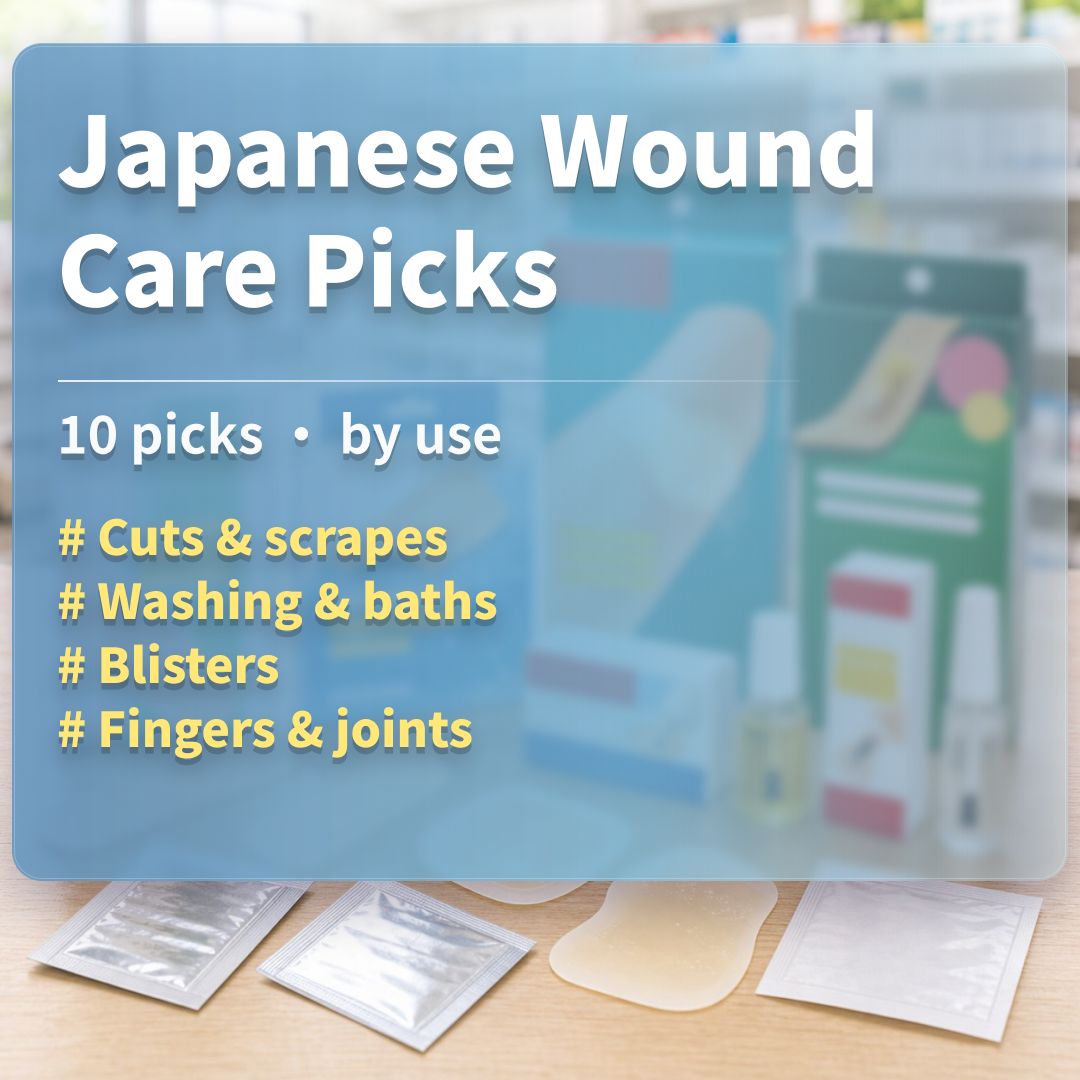
A cut finger, a scraped knee, a heel rubbed raw by new shoes — the first thought is always “where are the plasters?” Then you stand in front of a Japanese drugstore shelf and find a whole wall of them: everyday bandages, waterproof ones that survive a shower, hydrocolloid pads that absorb the fluid from the wound and liquid bandages you paint on. They work in completely different ways, and picking the wrong type is why a bandage sometimes seems to do nothing at all.
This guide sorts 10 Japanese wound care items by what you need them for, and every one lists the official classification and registered efficacy it carries in Japan. Order through FROM JAPAN and you can get the sizes and versions that never make it onto shelves abroad.
In this guide
- 10 Japanese bandages by use (everyday, waterproof, hydrocolloid and liquid compared)
- Everyday, waterproof, hydrocolloid, liquid — what is the difference?
- What “General Medical Device” and “Risk Class 3” on the box actually mean
- Four hydrocolloid pads compared (the only group that can claim pain relief)
- Common questions — how often to change, whether waterproof really works
- How to order from FROM JAPAN in three steps
Which Japanese bandage should you pick? The 2026 comparison table
★ Key points
- Start with the wound: just need to cover a small scrape? Will it get wet? Do you want it to repair in a moist environment? Or is it somewhere tape will not stay, like a fingertip?
- Everyday cuts, keep a box at home → everyday bandage (General Medical Device).
- Washing hands, showering, doing the dishes → waterproof bandage (General Medical Device).
- For pain relief and moist healing → hydrocolloid (Controlled Medical Device, the only group here with efficacy registered in Japan).
- Fingertips and knuckles where tape will not stay → liquid bandage (OTC Risk Class 3).
- Deep, infected or bitten → none of these. See a doctor.
Don’t want to read the whole thing? Start with this table and find the one you need:
| Use | Photo | Item | What it does | PriceThe Japanese price on the FROM JAPAN item page, tax included, checked on 2026-07-27. What you pay depends on the item page price and the exchange rate on the day you order. |
|---|---|---|---|---|
| Everyday bandages |
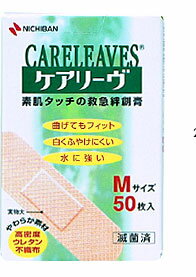 |
NICHIBAN CARELEAVES M Size 50 sheets
ケアリーヴ Mサイズ 50枚 CL50M
|
Dense non-woven fabric that hugs fingers and joints. M size, 50 sheets |
¥652
|
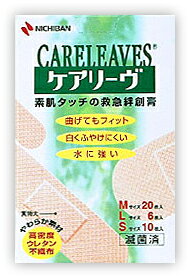 |
NICHIBAN CARELEAVES Mixed 36 sheets
ケアリーヴ 3サイズ 36枚 CL36-3
|
Same line in a mixed pack. M, L and S sizes together |
¥418
|
|
| Waterproof bandages |
 |
NICHIBAN CARELEAVES WATERPROOF M Size 20 sheets
ケアリーヴ 防水タイプ Mサイズ 20枚 CLB20M
|
Three-layer waterproof build with wider tape above and below the pad |
¥275
|
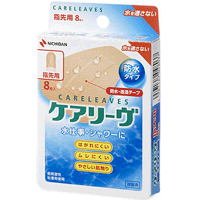 |
NICHIBAN CARELEAVES WATERPROOF For Fingertips 8 sheets
ケアリーヴ 防水タイプ 指先用 8枚 CLB8A
|
The waterproof line, shaped for fingertips. 8 sheets |
¥269
|
|
| Hydrocolloid (moist healing) |
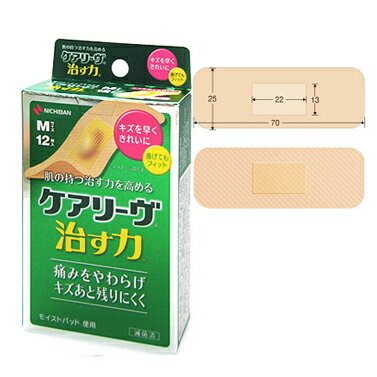 |
NICHIBAN CARELEAVES Hydrocolloid M Size 12 sheets
ケアリーヴ 治す力 Mサイズ 12枚 CN12M
|
Hydrocolloid pad that absorbs fluid and holds a moist environment (Class II) |
¥570
|
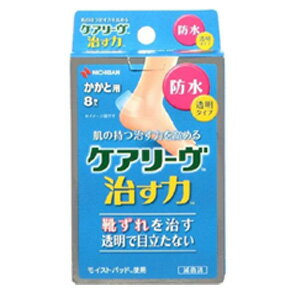 |
NICHIBAN CARELEAVES Hydrocolloid WATERPROOF Fan-Shaped Size 8 sheets
ケアリーヴ 治す力 防水タイプ かかと用 8枚
|
Hydrocolloid plus a waterproof film, shaped for heels (Class II) |
¥561
|
|
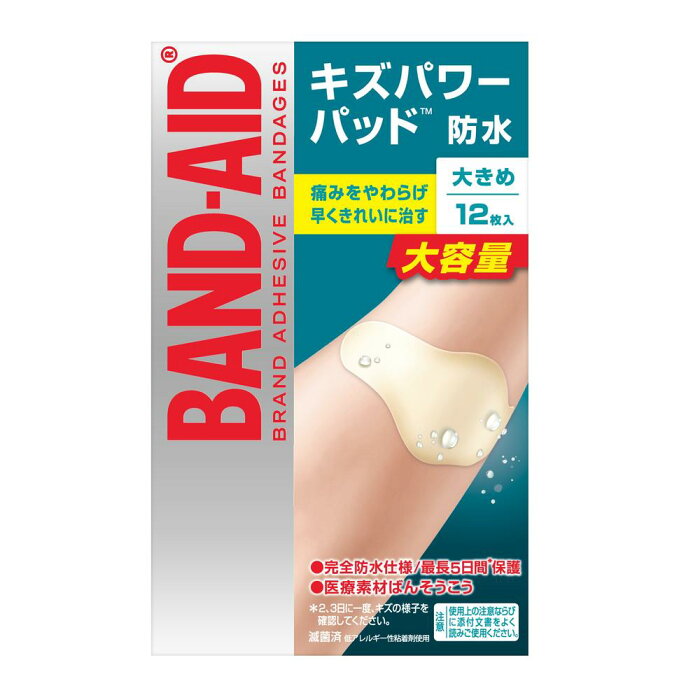 |
Band-Aid Hydrocolloid 12 sheets
バンドエイド キズパワーパッド 大きめサイズ 12枚
|
Fully waterproof hydrocolloid in a skin-tone, semi-clear finish |
¥1,166
|
|
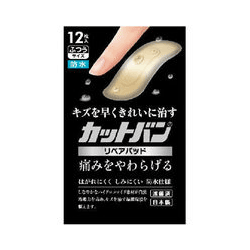 |
YUTOKU Hydrocolloid 12 sheets
カットバンリペアパッド ふつうサイズ 12枚
|
25 x 60 mm hydrocolloid pad at the entry price point |
¥520
|
|
| Liquid bandages |
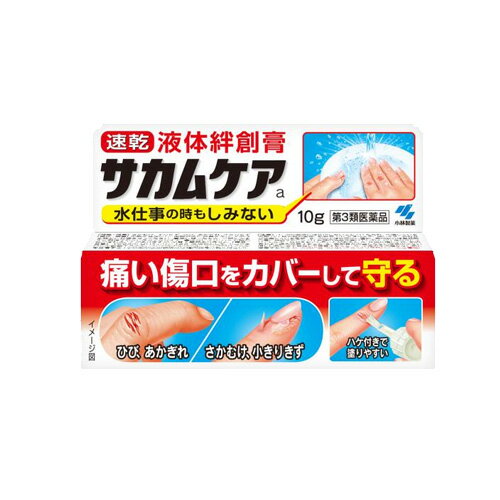 |
Kobayashi Sakamucare 10g
サカムケア a 10g
|
Fast-drying liquid bandage that sets into a film (Risk Class 3) |
¥880
|
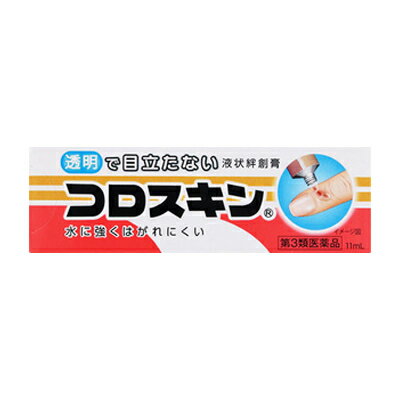 |
Coloskin 11mL
コロスキン 11ml
|
Clear waterproof film in liquid form (Risk Class 3) |
¥795
|
Everyday, waterproof, hydrocolloid, liquid — what is the difference?
The wound care aisle in a Japanese drugstore is a wall of boxes that all look alike. They are actually four different things. Once you can tell them apart, picking one takes a few seconds.
To put simply: cover it with an everyday or waterproof bandage, look after it with hydrocolloid and paint on a liquid bandage where tape will not hold. None of the four is right for a deep wound, an animal bite, a large burn or a wound that is already red, swollen and hot. Those need a doctor.
Japanese packaging prints a “class” on it — what does that mean?
Japanese bandages, hydrocolloid pads and liquid bandages all print an official Japanese classification on the box. Items that look almost identical can sit in completely different regulatory systems. The class is not a statement about how strong the effect is. It says what the item is treated as. Each country has its own system, so the names don’t correspond neatly across borders.
| Japan class | What it is | How it works | Before it goes on sale | In this guide |
|---|---|---|---|---|
| General Medical Device (Class I) |
The lowest-risk tier of medical device. Japan puts everyday and waterproof bandages here. Generic name on the packaging: kyukyu bansoko (first-aid adhesive bandage) |
Physical action: covering, sticking to the skin and protecting the wound. | A notification filed with the Japanese authority (PMDA). | 4 items |
| Controlled Medical Device (Class II) |
One tier up in risk. Hydrocolloid pads sit here. Generic name on the packaging: katei-yo soshо̄ pad (household wound pad) |
Physical action: holding a moist environment around the wound, which eases pain and helps it heal. | Where a certification standard exists, a third-party body certifies it. | 4 items |
| OTC Drug (Risk Class 3) |
These are medicines, not devices. Japan sorts non-prescription medicines into Class 1 to Class 3, and Class 3 is defined as “everything that is not Class 1 or Class 2.” In other words, it was not placed in the two tiers flagged for health damage that could disrupt daily life. |
Pharmacological action: it works through its ingredients. Both liquid bandages here form a film from pyroxylin. | Approval to manufacture and sell. | 2 items |
Three things people get wrong
Every claim on the item cards below is taken from the manufacturer’s own wording. For the full details, check the packaging and the manufacturer’s own page.
Everyday bandages — the two NICHIBAN CARELEAVES packs to keep at home
★ Key points
- NICHIBAN’s CARELEAVES line is the everyday standard in Japan. It uses dense polyurethane non-woven fabric and sells on fit, breathability and a gentle adhesive. What the manufacturer registers it for in Japan is covering and protecting
- The 50-sheet M pack suits one person keeping a steady supply. The 36-sheet mixed pack puts M, L and S in one box, which works better for a household with adults and children
- Everyday bandages are General Medical Devices in Japan, the lowest-risk tier, and the manufacturer’s page carries no efficacy section at all. If you want “pain relief” and “promotion of healing,” you need the hydrocolloid items further down
Cut a finger or scrape a knee, and this plain sticky bandage is what you reach for. Where the Japanese versions put their effort is the material: finer fibers, a better fit, breathability so the skin does not go soft and white and an adhesive that does not hurt on the way off. The two below are the same line in two pack sizes.
This guide is general information and is not medical advice. See a doctor instead of treating it yourself if the wound is deep or large, if it came from an animal bite or if it is already red, swollen and hot. The same goes for anyone with diabetes or another condition that slows healing. Stop using an item and ask a doctor or pharmacist if you get a rash, redness or itching.
US dollar and pound figures are reference conversions at the 2026-07-27 exchange rate. The rate that applies is the one on the day FROM JAPAN places your order.
Waterproof bandages — two that survive washing dishes and showers
★ Key points
- Waterproof is not a different effect, it is the same item built from waterproof material. It sits in the same class, General Medical Device, and it does the same job of covering and protecting
- The manufacturer points at two things: the three-layer build and the wider tape above and below the pad. The wider tape holds the sides down so water cannot creep in, while vapor still escapes so skin does not go soft
- Fingertips move the most and get wet the most, which is why a plain rectangle peels within minutes. The fingertip shape exists for exactly that problem
Wash the dishes, wash your hair or get in the shower, and an ordinary bandage lifts at the edges in minutes. Waterproof versions solve that with material and shape rather than any extra effect. One thing to remember: waterproof does not mean you can leave it on forever. Once the pad is wet or dirty, change it.
Deep wounds, infected wounds and animal bites need a doctor. Full notes are in the section below.
US dollar and pound figures are reference conversions at the 2026-07-27 exchange rate. The rate that applies is the one on the day FROM JAPAN places your order.
Hydrocolloid — the ones that look after the wound. Four compared
★ Key points
- Hydrocolloid is a different item from an everyday bandage. The pad absorbs and holds the fluid seeping out of the wound, creating the moist environment a wound repairs in. Japan classes it as a Controlled Medical Device
- The efficacy registered in Japan is “promotion of healing,” “pain relief,” “maintaining a moist environment” and “protection” for wounds and mild burns. This is the only group in this guide that can carry a pain relief claim
- Swelling up white is normal — that is the pad absorbing fluid and turning to gel. Do not use it with antiseptic or ointment, and rinse the wound with tap water before applying. Both instructions come from the manufacturers themselves
- The price gap between these four comes from the brand, the sheet count, the size and whether the pad is waterproof, not from a difference in registered efficacy: Yutoku to try it cheaply, CARELEAVES Hydrocolloid as the standard, the fan shape for heels and Band-Aid as the best known name
Hydrocolloid represents the shift in how wounds are treated. The old advice was to keep a wound dry and let it scab. Moist healing keeps the fluid the wound produces right where it is. All four below use the same principle and differ in size, waterproofing and price. None of them is for a deep wound, an animal bite or a wound that is already infected. See a doctor for those.
Deep wounds, infected wounds and animal bites need a doctor. Full notes are in the section below.
US dollar and pound figures are reference conversions at the 2026-07-27 exchange rate. The rate that applies is the one on the day FROM JAPAN places your order.
Liquid bandages — two for fingertips and knuckles, where tape will not stay
★ Key points
- A liquid bandage is painted on, left to dry and sets into a protective film. On fingertips, knuckles and palms that bend all day, tape doesn’t stay. However, a film that forms on the skin does
- Both use pyroxylin as the active ingredient, and its job is to form a film over the area. In Japan, these are classified as OTC medicines at Risk Class 3 — medicines, not devices
- The efficacy registered in Japan is limited to hangnails, scrapes, chapped skin and small cuts. It stings for a moment as you paint it on and stops once it dries, and it must never get near your eyes or any mucous membrane
Anyone who does housework knows the problem: hangnails and cracked fingertips shed every bandage you put on them. A liquid bandage builds the protective layer directly on the skin, so water does not lift it off. The trade-off is a brief sting as you paint it on — both manufacturers say so on their own pages — which stops once it dries into a film. It must never get near your eyes or any mucous membrane. Both have been drugstore staples in Japan for years, and they differ in formulation and volume.
Deep wounds, infected wounds and animal bites need a doctor. Full notes are in the section below.
US dollar and pound figures are reference conversions at the 2026-07-27 exchange rate. The rate that applies is the one on the day FROM JAPAN places your order.
Common questions — how often to change, whether waterproof really works
“Is it supposed to go white?” and “will it survive a shower?” are the two things people ask most about Japanese bandages. Every answer below is checked against the manufacturer’s own wording.
Q. How often do I change a hydrocolloid pad, and is it meant to go white?
Going white and puffy is normal. The manufacturers spell it out: after a while the pad absorbs and holds the fluid coming out of the wound, and that part turns to gel and swells up white. As the wound improves it produces less fluid, so the gap between changes gets longer. Follow the timing on the packaging rather than guessing. Once the white area reaches the edge of the pad or anything leaks out, change it.
Q. Do waterproof bandages really keep water out in the shower?
The manufacturer’s explanation is a three-layer build plus wider tape above and below the pad, which holds the sides down and stops water creeping in, while vapor still escapes so the skin does not go soft and white. In practice the thing that decides it is preparation: dry the skin around the wound properly and press the edges down. Water or oil on the skin will defeat any waterproof bandage. And waterproof does not mean permanent — once the pad is wet or dirty, change it.
Q. What is the actual difference between an everyday bandage and hydrocolloid?
It is how they work, not a difference in quality. An everyday bandage (a General Medical Device in Japan) covers and protects, and the manufacturer’s page does not even have an efficacy section. Hydrocolloid (a Controlled Medical Device) absorbs fluid and holds a moist environment, and the efficacy registered in Japan includes “pain relief” and “promotion of healing.” So the test is simple: just need to cover a small scrape? An everyday bandage is enough. Want the wound to repair in a moist environment, or does it hurt every time something touches it? That is when hydrocolloid earns the price.
Q. When should I not use hydrocolloid?
The manufacturers’ own instructions say to rinse the wound with tap water and dry it before applying, and not to use antiseptic, ointment or cream with it (sealing a medicine into a moist environment carries its own risks). Beyond that, do not put hydrocolloid on a deep wound, an animal or human bite, a large or serious burn or a wound that is already red, swollen and hot. Those belong with a doctor. If you have diabetes, poor circulation or a weakened immune system, your wounds heal slowly to begin with, so ask a doctor before treating anything yourself.
Q. Does a liquid bandage sting when you put it on, and where can I use it?
Both manufacturers say the same thing on their own pages: it stings for a moment as you paint it on, and it stops once it dries. Once the film has dried, it does not sting when the area gets wet. It is made for hangnails, cracked fingertips, chapped skin, shallow scrapes and small cuts — the spots where tape will not stay — and that is exactly what the efficacy registered in Japan covers. Keep it away from your eyes and any mucous membrane. If it does get in your eye, rinse with clean or lukewarm water and see a doctor. Children should only use it with an adult supervising. It is not for deep or large wounds.
Q. How are Japanese bandages different from the ones I can buy at home?
The biggest difference is that the classification systems are not the same. Japanese packaging prints “General Medical Device,” “Controlled Medical Device” or “OTC Drug, Risk Class 3,” which is Japan’s own system and may not be the same as where you live. In practical terms the difference is range: the Japanese wound care aisle splits sizes far more finely — fingertip shapes, heel shapes, extra-thin versions — and several of those never reach shops abroad. If you want a specific size or a whole line in one go, ordering from Japan is the way to get it.
Safety notes — when to treat it yourself and when to see a doctor
The items in this guide fall into two groups: medical devices (everyday, waterproof and hydrocolloid bandages) and OTC medicines (the liquid bandages). The notes differ, so they are separated below. Everything here follows the packaging and the manufacturers’ own instructions.
1. See a doctor for these — do not treat them yourself
- Deep wounds, gaping wounds or puncture wounds (you cannot see the bottom, or the bleeding will not stop)
- Bites from an animal or a person (high infection risk)
- Large or serious burns
- Wounds that are red, swollen, hot or getting more painful (signs of infection)
- Any wound if you have diabetes, poor circulation or a weakened immune system (healing is slower to begin with)
- Wounds with grit, glass or metal you cannot rinse out
2. Using hydrocolloid (Controlled Medical Device) correctly
The manufacturers’ instructions come down to three things: rinse the wound with tap water and dry it with a clean tissue or towel before applying, do not use it alongside antiseptic, ointment or cream and never reuse a pad. After application the pad absorbs fluid, turns to gel and swells up white, which is normal, and it happens less as the wound improves. Follow the packaging for changing times. Stop using it and ask a doctor or pharmacist if you get a rash, redness or itching.
3. Using liquid bandages (OTC Risk Class 3 medicines)
These two are medicines, so follow the dose and directions on the packaging and the leaflet. The manufacturers’ notes include: do not apply it if the area or the skin around it is dirty, wipe off sweat or water first, keep it out of your eyes (if it does get in, rinse immediately with clean or lukewarm water and see a doctor as soon as you can) and an adult should supervise when a child uses it. Paint it only on the wound and leave it to dry. Do not spread it over a wide area.
4. Notes that apply to every bandage here
- Do not let the adhesive part sit on the wound. Change the bandage once the pad is wet or dirty
- Peel it off slowly, in the direction the hair grows, so you do not tear the surface of the skin
- If adhesives have given you a reaction before, test a small area for a short time first
- Stop using it if you get a rash, redness or itching, and ask a doctor or pharmacist
- Store it somewhere cool and dry, out of direct sunlight and out of reach of children
5. Sources
- NICHIBAN official item pages (CARELEAVES, CARELEAVES WATERPROOF, CARELEAVES Hydrocolloid and the waterproof version) — classification, features, efficacy and usage notes
- BAND-AID Japan official item page — sales name, medical device certification number and efficacy
- Kobayashi Pharmaceutical official item page (Sakamucare) and Tokyo Koshisha official item page (Coloskin) — classification, ingredients, efficacy, directions and the note on stinging as you apply it
- The package insert published by Japan’s PMDA — classification, certification number and efficacy for the Yutoku hydrocolloid pad
- PMDA “Classification and regulation of medical devices” and Article 36-7 of Japan’s Pharmaceuticals and Medical Devices Act — the classification system and the definition of a Class 3 OTC medicine
For full efficacy, directions and safety notes on any item, follow the packaging and the manufacturer’s own labeling.
Order Japanese bandages and hydrocolloid with FROM JAPAN
If you want Japanese bandages, hydrocolloid pads or liquid bandages sent to you, FROM JAPAN handles the whole thing — three steps and you are done, with no trip to Japan needed.
- Genuine items only — FROM JAPAN buys from legitimate Japanese drugstores and retailers, never gray-market goods or fakes
- Checked in Japan — every order is inspected on arrival at the Japanese warehouse, and you are told straight away if anything is wrong
- English support — the whole site is in English, and you can ask about medicines and medical devices in English
Browse the FROM JAPAN drugstore section
FROM JAPAN ordering and shipping FAQ
Disclaimer
This guide is general information and is not medical advice. Every classification and efficacy claim follows the manufacturers’ own labeling: everyday and waterproof bandages are General Medical Devices in Japan and carry no registered efficacy, hydrocolloid pads are Controlled Medical Devices and the liquid bandages are OTC medicines at Risk Class 3, so follow the dose and directions on the packaging. See a doctor if the wound is deep or large, if it came from an animal bite or if it is already red, swollen and hot. The same goes for anyone with diabetes or another condition that slows healing. Stop using an item and ask a doctor or pharmacist if you get a rash, redness or itching. Japan’s classification system is not the same as the one where you live and the two cannot be compared directly. Prices and specifications follow the FROM JAPAN item pages and may change with stock and Japanese retail conditions. The total includes a service fee and international shipping, so it is not necessarily lower than a local price.
Check your own customs rules for which medicines may be imported and in what quantity. US dollar and pound figures are reference conversions at the 2026-07-27 exchange rate, and the rate that applies is the one on the day FROM JAPAN places your order.