A runny nose that won’t stop, a blocked nose that ruins your sleep, sneezing fits the moment you wake up — allergy troubles are not just a spring thing. Beyond pollen, dust mites, house dust, PM2.5 and the temperature swings between seasons are all common triggers of allergic rhinitis. Japan’s over-the-counter allergy medicines are a long-time drugstore favorite: second-generation antihistamines keep you clear-headed during the day, combination formulas with a decongestant tackle stubborn congestion and the kampo formula Shin’i-seihai-to works on sinus build-up from the inside. Different symptoms need different ingredients and antihistamine generations, and picking the wrong type can leave you drowsy and still blocked up.
This guide sorts the field by symptom and by ingredient generation — from second-generation antihistamines and combination decongestant formulas to kampo — and picks 5 Japanese OTC allergy medicines worth ordering, with their key ingredients and Japanese reference prices. Order through FROM JAPAN and you can get the full Japanese lineup that is hard to find elsewhere, without flying to Japan.
In this article
- 5 Japanese allergy medicines by symptom and generation (2026 comparison table)
- First vs second-generation antihistamines: the difference and how to choose (drowsiness and effect)
- Bad congestion? Combination formulas with a decongestant
- Q&A — do allergy medicines make you drowsy, can you take them long term and more
- How to order through FROM JAPAN in 3 steps
How to choose a Japanese allergy medicine: 2026 comparison table
★ Key points
- First pin down your main symptom: runny nose and sneezing? Stubborn congestion and thick mucus? Or sinus build-up (sinusitis)?
- Runny nose and sneezing, and you want to stay awake during the day → a second-generation antihistamine (fexofenadine or Alesion 20).
- Heavy congestion and thick mucus → a combination formula with a decongestant (Stonarhini S or Rohto Alguard).
- Thick, yellow mucus with sinus build-up → the kampo formula Shin’i-seihai-to (Chikunain b), which clears from the inside.
- Congestion with a high fever, severe facial pain or changes in vision → do not self-medicate, see a doctor.
Do not want to read the long write-ups? Start with this symptom overview to quickly narrow down the Japanese allergy medicine you need:
| Symptom | Photo | Item | Highlight | Reference priceJapanese manufacturer’s suggested retail price (tax included). For open-price items, a market reference price is shown. The actual price depends on the FROM JAPAN exchange rate at the time of purchase. |
|---|---|---|---|---|
| Second-generation antihistamine | 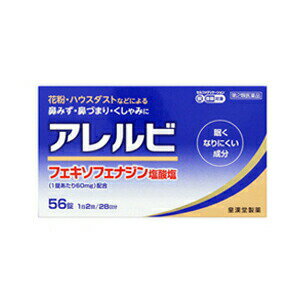 |
Arerubi Fexofenadine Allergy Tablets — 56 tablets
Kokando · on the box: アレルビ 56錠
|
Runny nose |
¥1,120
|
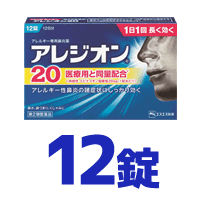 |
Alesion 20 (epinastine) — 12 tablets
SSP · on the box: アレジオン20 12錠
|
Runny nose |
¥1,500
|
|
| Combination — congestion | 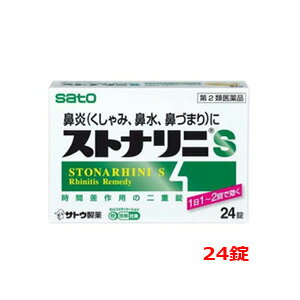 |
Sato Stonarhini S Rhinitis Tablets — 24 tablets
Sato · on the box: ストナリニS(新) 24錠
|
Congestion |
¥1,100
|
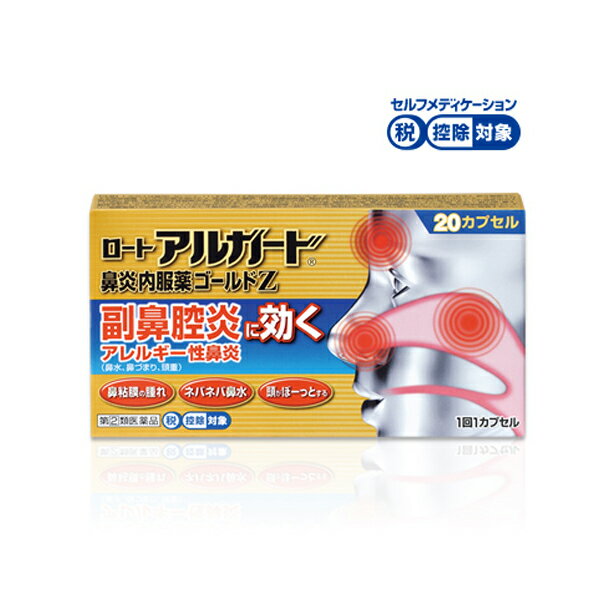 |
Rohto Alguard Gold Z Oral Rhinitis Capsules — 20 capsules
Rohto · on the box: ロートアルガード鼻炎内服薬ゴールドZ 20カプセル
|
Congestion |
¥1,440
|
|
| Kampo — sinus build-up | 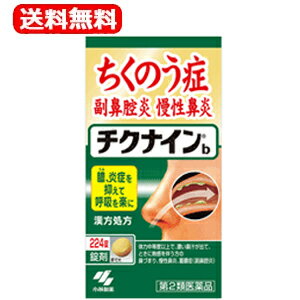 |
Kobayashi Chikunain b (Kampo) — 224 tablets
Kobayashi · on the box: チクナインb 224錠
|
Sinus build-up |
¥5,950
|
Second-generation antihistamines — 2 non-drowsy daytime picks for allergic rhinitis
★ Key points
- Second-generation antihistamines are less likely to reach the brain, so they cause less drowsiness. That makes them a good fit for work, study or driving during the day, and the mainstay of long-term allergic rhinitis control.
- Want the best value? Go for the fexofenadine tablets (a generic of Allegra with the same active ingredient). Want the convenience of once a day? Go for Alesion 20 (one tablet at bedtime, effective for 24 hours).
- Both cover runny nose, congestion and sneezing and suit allergic rhinitis triggered by pollen, dust mites or house dust.
The 2 picks below are both second-generation antihistamines. The difference is value versus dosing frequency. Second-generation ingredients cross the blood-brain barrier less easily, so they are less likely to make you drowsy and suit daytime work or study, as well as anyone managing allergic rhinitis over the long term. Both are Class 2 OTC medicines for ages 15 and up. Use them exactly as directed on the package.
First vs second-generation antihistamines: what is the difference and how do you choose?
Want to stay clear-headed during the day and control allergic rhinitis over the long term? Choose second generation (fexofenadine or Alesion 20). Bad congestion and want fast relief or dosing at night? A first-generation combination (Stonarhini S or Alguard) is also an option. Do not drive or operate machinery after taking a medicine that makes you drowsy.
This article is general information, not medical advice. Use Japanese OTC medicines exactly as directed on the package. See a doctor if allergy symptoms persist or worsen, or come with a fever, difficulty breathing or a severe headache.
The US dollar and pound prices shown are reference conversions at the 2026-07-01 exchange rate. The actual price depends on the rate at the time of purchase.
Combination formulas — 2 fast-acting picks for congestion, thick mucus and a heavy head
★ Key points
- When congestion is especially bad and mucus is thick, a combination formula with a decongestant is a better fit.
- Stonarhini S is Sato’s unique dual-layer tablet (timed release): an antihistamine plus a decongestant, taken once or twice a day and noticeably effective on congestion.
- Rohto Alguard Gold Z is a 6-ingredient combination capsule for the congestion, thick mucus and heavy-headedness caused by allergic rhinitis and sinusitis.
- Alguard Gold Z contains the decongestant pseudoephedrine, which is restricted or monitored in many countries. Follow the dosage exactly, avoid prolonged continuous use and check your country’s import rules before ordering (see the notes below).
The 2 picks below are the combination, fast-acting route, with a decongestant that works best on congestion. Stonarhini S uses a dual-layer tablet for timed release, taken once or twice a day. Rohto Alguard Gold Z uses a 6-ingredient combination for congestion, thick mucus and a heavy head (sinusitis). Alguard Gold Z is a designated Class 2 OTC medicine (it contains pseudoephedrine), so follow the dosage exactly and avoid taking it together with a cold medicine that has the same ingredients. For ages 15 and up.
This article is general information, not medical advice. Use Japanese OTC medicines exactly as directed on the package. See a doctor if allergy symptoms persist or worsen, or come with a fever, difficulty breathing or a severe headache.
Rohto Alguard Gold Z is a designated Class 2 OTC medicine that contains the decongestant pseudoephedrine. Follow the dosage exactly, avoid prolonged continuous use and do not take it together with a cold or rhinitis medicine that has the same ingredients. Pseudoephedrine is restricted or monitored in many countries — check your import rules first.
The US dollar and pound prices shown are reference conversions at the 2026-07-01 exchange rate. The actual price depends on the rate at the time of purchase.
Kampo — sinus build-up (sinusitis) and chronic rhinitis, treated from within
★ Key points
- When mucus is thick and yellow and congestion comes with sinus build-up (sinusitis), this classic Japanese kampo eases inflammation and clears the sinuses from within.
- Chikunain b (the kampo formula Shin’i-seihai-to) suits people of average or stronger constitution with thick mucus and a feeling of heat, taken twice a day.
- 224 tablets is a 28-day supply for sustained use. Kampo needs to be taken consistently to work, so it suits people with chronic rhinitis or recurring sinus build-up who want it on hand.
Chikunain b is Kobayashi’s Shin’i-seihai-to kampo preparation, made from 9 crude botanical drugs such as Magnolia flower, Scutellaria and gypsum. It targets thick mucus, congestion and sinus build-up (sinusitis), easing inflammation and clearing the sinuses from within. It is a Class 2 OTC medicine (kampo), taken twice a day, for ages 15 and up. Kampo contains liquorice, so take care with long-term use or when combining it with other liquorice-containing medicines (see the notes below), and see a doctor if symptoms persist.
This article is general information, not medical advice. Use Japanese OTC medicines exactly as directed on the package. See a doctor if allergy symptoms persist or worsen, or come with a fever, difficulty breathing or a severe headache.
The US dollar and pound prices shown are reference conversions at the 2026-07-01 exchange rate. The actual price depends on the rate at the time of purchase.
Q&A — the full rundown on choosing a Japanese allergy medicine
Here are the questions that come up again and again, answered against the ingredients, generation and ordering realities of the 5 actual items.
Q. Do Japanese allergy medicines make you drowsy? Which is less drowsy?
It comes down to the generation. Second-generation antihistamines (such as fexofenadine, the same active as Allegra, and epinastine in Alesion 20) are less likely to reach the brain, so they are less likely to make you drowsy and suit daytime work or driving. First-generation ingredients (such as the chlorpheniramine in Stonarhini S) act fast but are more likely to cause drowsiness and a dry mouth. If you want to stay clear-headed, choose second generation. Everyone reacts differently, so if you feel drowsy after taking it, do not drive or operate machinery.
Q. Can you take allergy medicine long term? Is it habit-forming?
Second-generation antihistamines are generally not habit-forming, and taking them regularly through an allergic-rhinitis flare is common. However OTC medicines are designed to relieve symptoms, so follow the package directions, and if symptoms persist or you need long-term control, talk to a doctor who can assess whether a prescription or further tests are needed. Combination formulas with a decongestant (such as Alguard, which contains pseudoephedrine) and decongestant nasal sprays should not be used continuously for long periods, to avoid rebound congestion.
Q. Runny nose, congestion or constant sneezing — which one should I choose?
Start with your main symptom. Mostly runny nose and sneezing, and you want to stay awake → a second-generation antihistamine (fexofenadine or Alesion 20). Heavy congestion and thick mucus → a combination formula with a decongestant (Stonarhini S or Alguard). Thick, yellow mucus with sinus build-up (sinusitis) → the kampo Shin’i-seihai-to (Chikunain b). There is no one-size-fits-all pick, so choose by symptom.
Q. How do I tell allergic rhinitis from a cold, and do allergy medicines help a cold?
Allergic rhinitis usually means clear, watery mucus, repeated sneezing and an itchy nose or eyes with no fever, often triggered by dust mites, pollen or dust and linked to a season or environment. A cold often comes with a sore throat, fever and fatigue, and the mucus tends to thicken later. Antihistamines mainly tackle the runny nose and sneezing caused by allergies and do not treat the cold virus itself. For a cold you need a multi-symptom cold medicine or symptom care. If you cannot tell them apart or a fever persists, see a doctor.
Q. Can children take these Japanese allergy medicines?
The 5 picks here are mostly labeled for ages 15 and up (Alesion 20 and Alguard are 15 and up). Some medicines (such as fexofenadine) have separate children’s dosing in the package insert, but you must follow the ages and doses on the package and insert and never simply give a child a reduced adult dose. For children’s allergic rhinitis, have a pediatrician or ENT doctor assess and prescribe a suitable medicine, and consult a doctor or pharmacist before using any medicine during pregnancy or breastfeeding.
Q. These Japanese allergy medicines are hard to find where I live — what should I watch out for when ordering through FROM JAPAN?
Japanese versions such as fexofenadine, Alesion 20, Stonarhini S, Chikunain and Rohto Alguard are often not sold as a full set outside Japan, and FROM JAPAN lets you order them straight from Japan and combine items to reduce shipping. The order price includes the Japanese price plus a service fee and international shipping, so it is not always cheaper than buying locally — the value is in getting the full Japanese lineup and buying it all at once. Also, pressurised nasal sprays cannot be shipped, so this guide focuses on oral tablets and capsules that ship by Japan Post. Check your own country’s import rules before ordering.
Safe use and what to know — using OTC allergy medicines responsibly
The items here are all Japanese OTC medicines (Class 2, designated Class 2 and kampo). This article is general information and cannot replace a doctor’s diagnosis. Please check the following before you buy and use them.
1. When to see a doctor rather than self-medicate
- Congestion with a high fever, severe pain or swelling around the cheeks or eyes or changes in vision (possible acute sinusitis or cellulitis — see a doctor)
- Runny nose or congestion that is one-sided and persistent, contains blood, or comes with loss of smell, or symptoms that last more than 2 weeks
- No improvement after a few days on an OTC allergy medicine or repeated severe flare-ups that disrupt sleep and daily life
- Young children, older adults, pregnant women and people with chronic conditions (high blood pressure, heart disease, diabetes, glaucoma or an enlarged prostate) should get a medical assessment before use
2. Drowsiness, driving and operating machinery
Antihistamines can cause drowsiness and reduced concentration. First-generation ingredients (such as the chlorpheniramine in Stonarhini S) are more pronounced, while second-generation ones (fexofenadine and Alesion 20) are less likely to cause drowsiness, though this still varies from person to person. Do not drive or operate machinery after taking them and avoid combining them with alcohol. Alesion 20 is labeled for bedtime use, which helps reduce any daytime drowsiness.
3. Notes on the decongestant ingredient (designated Class 2 — Rohto Alguard Gold Z)
Rohto Alguard Gold Z is a designated Class 2 OTC medicine that contains the decongestant pseudoephedrine. Follow the dosage exactly, avoid prolonged continuous use and do not take it together with a multi-symptom cold medicine or rhinitis medicine that has the same ingredients. People with high blood pressure, heart disease, diabetes, thyroid disease, glaucoma or an enlarged prostate (difficulty urinating) and anyone pregnant or breastfeeding, should consult a doctor or pharmacist first. If you compete in sports, take note: pseudoephedrine is a substance the World Anti-Doping Agency (WADA) restricts in competition, and a urine concentration above the threshold can trigger a positive test, so stop taking it at least 24 hours before an event or consult your team doctor. Pseudoephedrine is also restricted or monitored in many countries, so check your import rules before ordering.
4. Notes on the liquorice ingredient (kampo — Chikunain b)
Chikunain b (Shin’i-seihai-to) contains crude drugs including liquorice. Long-term or high-dose use or combining it with other liquorice-containing kampo or medicines, can cause pseudoaldosteronism (swelling, raised blood pressure and low potassium). People with high blood pressure, heart disease, kidney disease and older adults should consult a doctor or pharmacist first. Kampo needs consistent use to work, but if there is no improvement after a while, see a doctor.
5. General notes
- Allergy medicines (antihistamines, combinations and kampo) mainly relieve symptoms and cannot cure an allergic constitution. If symptoms stay severe, get an allergy test.
- If you are taking other medicines or being treated for a condition, consult a doctor or pharmacist before combining them.
- Stop use immediately if you develop a rash, itching, swelling or difficulty breathing, and get medical help if needed.
- Follow the ages and doses on each item, store in a cool place away from children and use by the date on the package.
This information is drawn from public sources such as Japan’s Ministry of Health, Labour and Welfare OTC medicine classifications. For actual dosage and contraindications, follow the package and insert.
Ordering Japanese allergy medicine? FROM JAPAN has you covered
If you want Japanese allergy and rhinitis medicines wherever you are, FROM JAPAN offers a full proxy-buying service — 3 steps to place an order, with no need to fly to Japan.
- Genuine items — FROM JAPAN buys only from legitimate Japanese drugstores, retailers and similar channels, never parallel imports or fakes.
- Japan warehouse check — once an item reaches the Japan warehouse it gets a visual inspection, and you are notified if there is a problem.
- English-language support — the whole interface is in English, and you can ask support about medicine orders in English.
Go to FROM JAPAN and order Japanese allergy medicine
Frequently asked questions
Disclaimer
This article is general information only and does not constitute medical advice. Use Japanese OTC medicines exactly as directed on the package and insert. See a doctor if allergy symptoms persist or worsen, or if congestion comes with a high fever, severe facial pain or changes in vision. People who are pregnant or breastfeeding and those with existing conditions (high blood pressure, heart disease, diabetes, thyroid disease, glaucoma, an enlarged prostate and so on), should consult a doctor or pharmacist before use. Designated Class 2 medicines that contain a decongestant (such as Alguard Gold Z) should be used strictly to dose and not for long continuous periods. Item prices and specifications follow the FROM JAPAN item page and may change with stock or Japanese retail conditions; the Japanese reference price is a market reference, and the order price includes a service fee and international shipping, so it may not be lower than local prices.
Please check the types and quantities of medicine your country allows to be imported. Medicines ship by Japan Post only, the US mainland is not on FROM JAPAN’s shipping list, and ingredients such as pseudoephedrine (Alguard) and oral epinastine (Alesion 20) are restricted or prescription-only in some countries. Pressurised nasal sprays cannot be shipped, so this guide focuses on oral tablets and capsules. The US dollar and pound prices shown are reference conversions at the 2026-07-01 exchange rate; the actual price depends on the rate at the time of purchase.